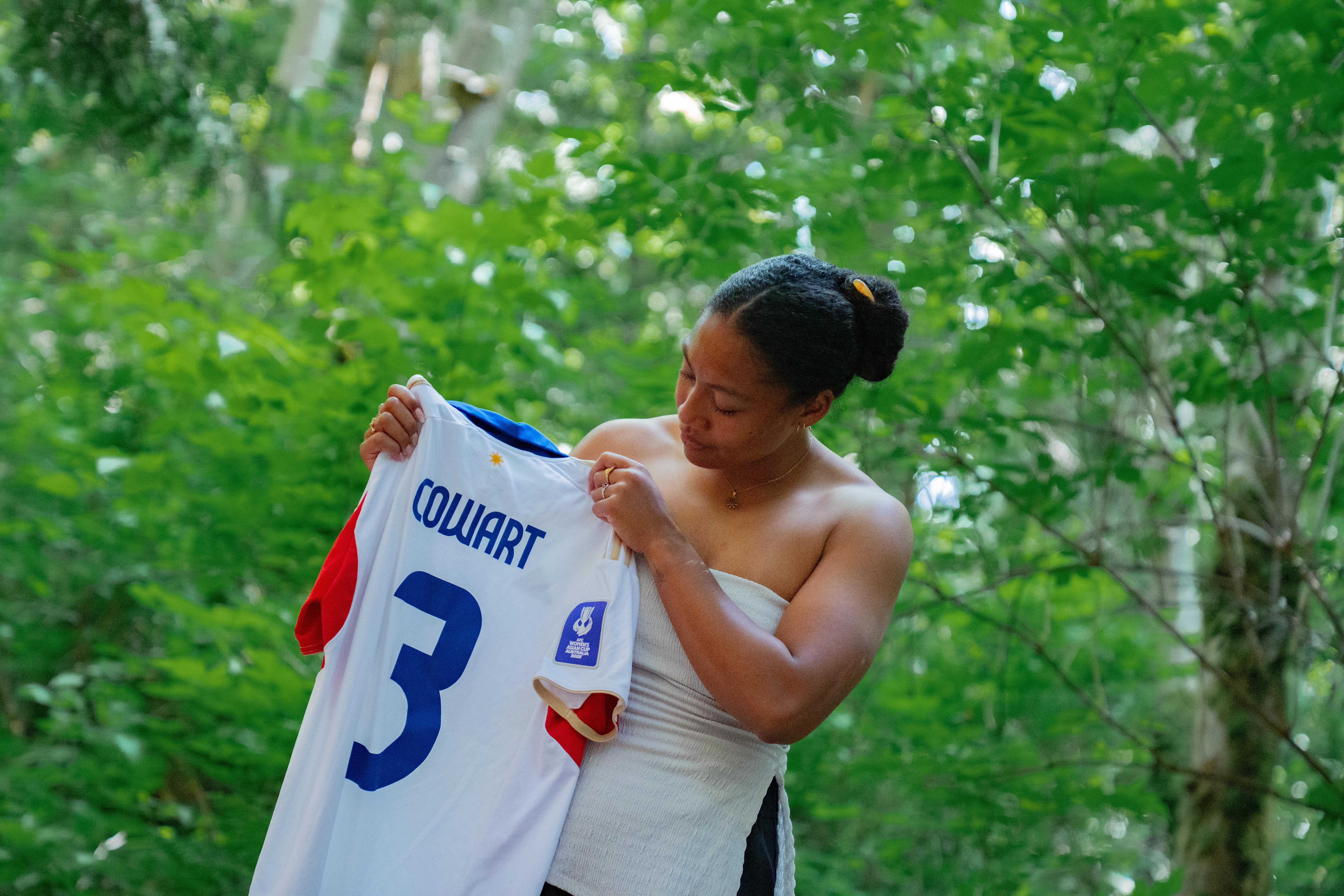
For Asian Heritage Month, Filipino-American Jessika Cowart sat down to discuss her Filipino heritage, representing the Philippines at the World Cup and how Filipino culture shaped her career.
Q: Have you had a chance to explore Filipino culture in Vancouver?
A: I know there is a really great Filipino culture here, there is a rich community. I have gone to Cake It Easy, the Filipino cafe. Fantastic pastries, and they’re super sweet, and they’re really good about outreach. Obviously their food is great, but the way they present Filipino culture is also incredible too. But I would like to continue to explore more around Vancouver.
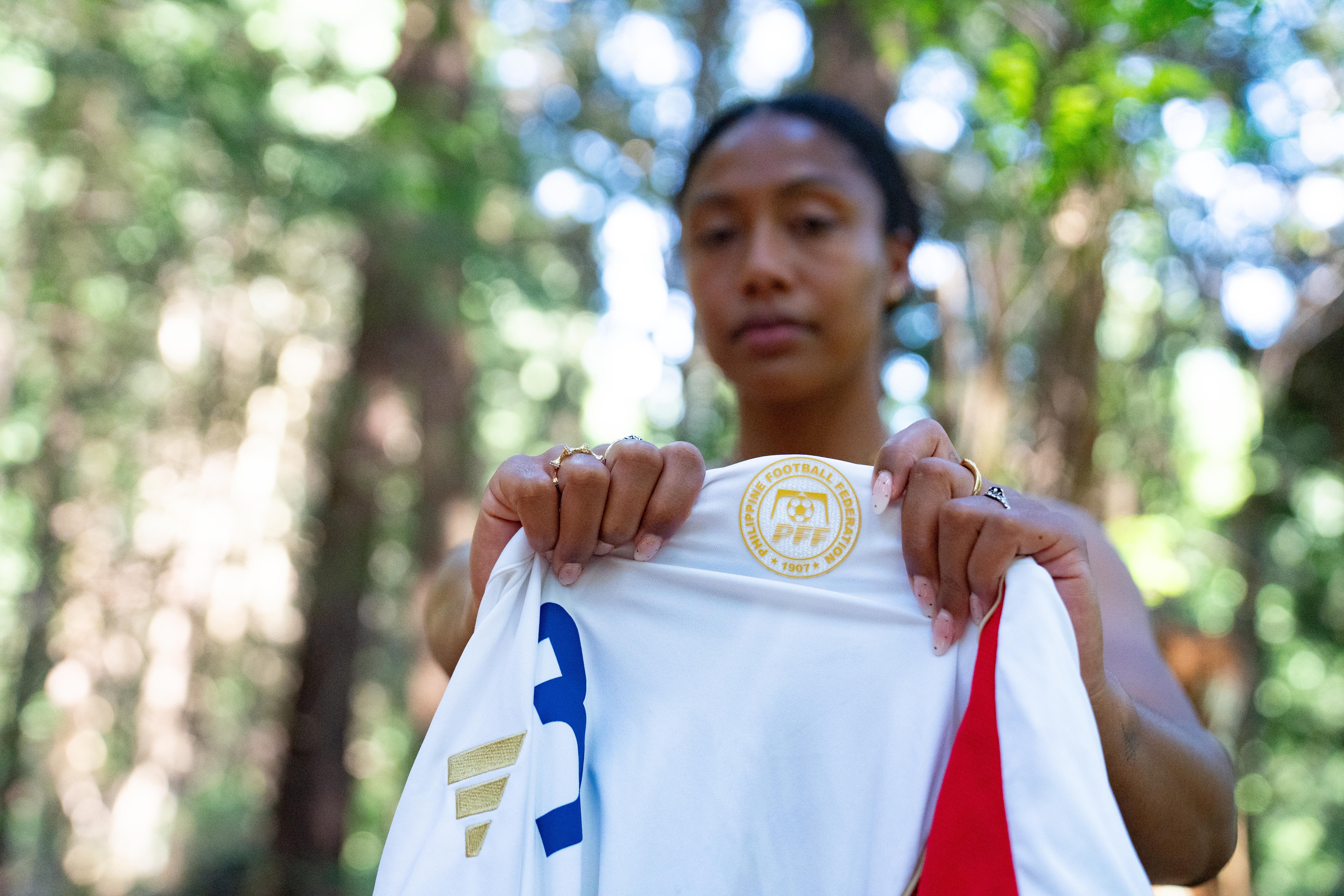
Q: How have you found the Filipino community to be in Canada compared to other places you’ve played?
A: I’ve really loved being in Canada as a whole, because there will be people coming to our games that are wearing the jersey or that have the flag, have my picture from the national team, or from the last World Cup. I think that’s so cool that they’re willing to support a fellow countrywoman and I’m really grateful that there’s such a great community here.
Q: What is your favourite part of Filipino culture?
A: There are many parts of the culture that I deeply appreciate, but I think the sense of belonging is a huge one. Whether you’re fully Filipino, a little bit or half Filipino, they’ll always take you in. And if you appreciate Filipino culture and you’re not Filipino at all, they’ll take you in anyway, because they’re such community oriented people who are always so kind and so giving. I love being Filipino, and I’ll brag about it all day [laughs].
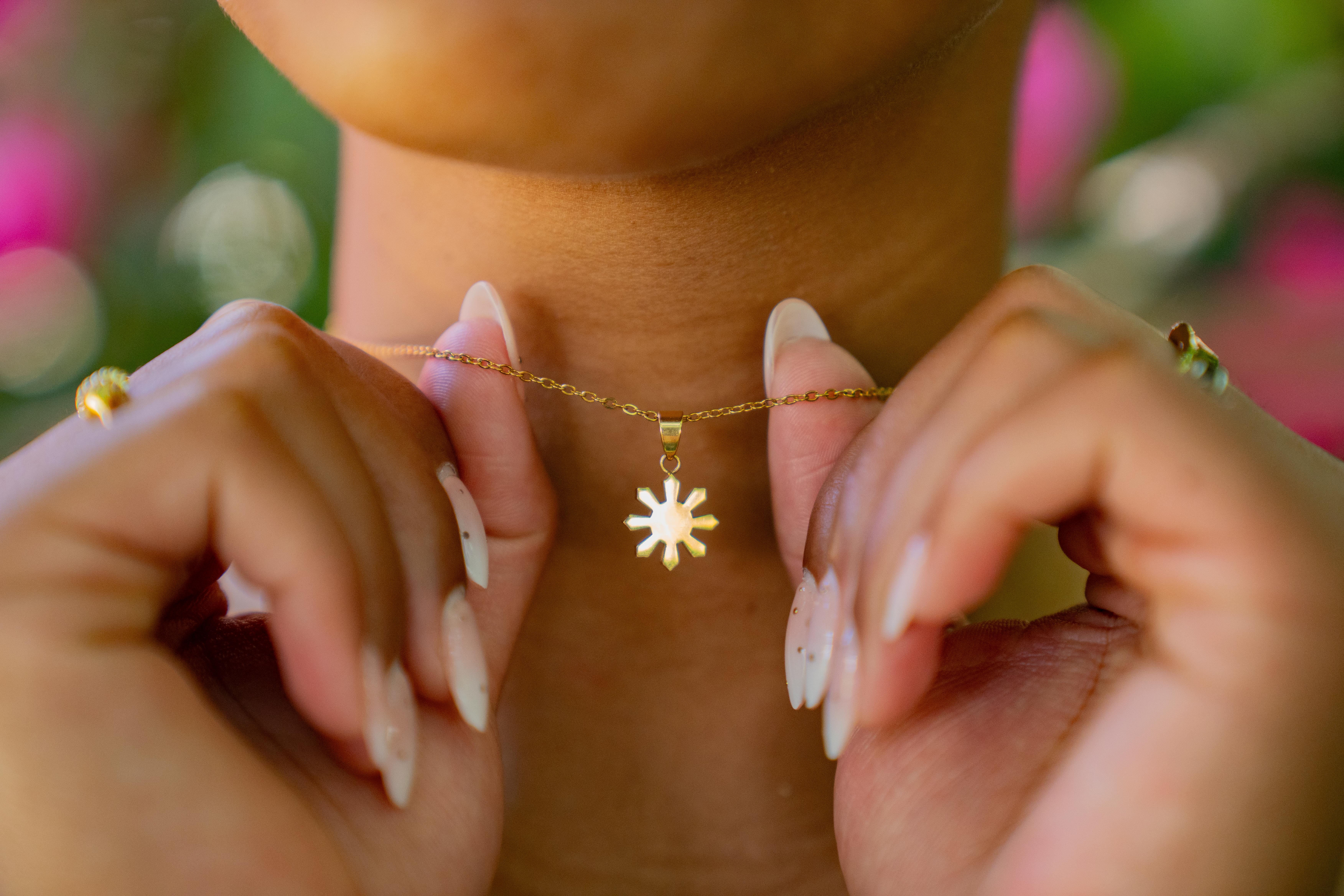
Q: What’s it like to represent the Philippines as someone born outside the country?
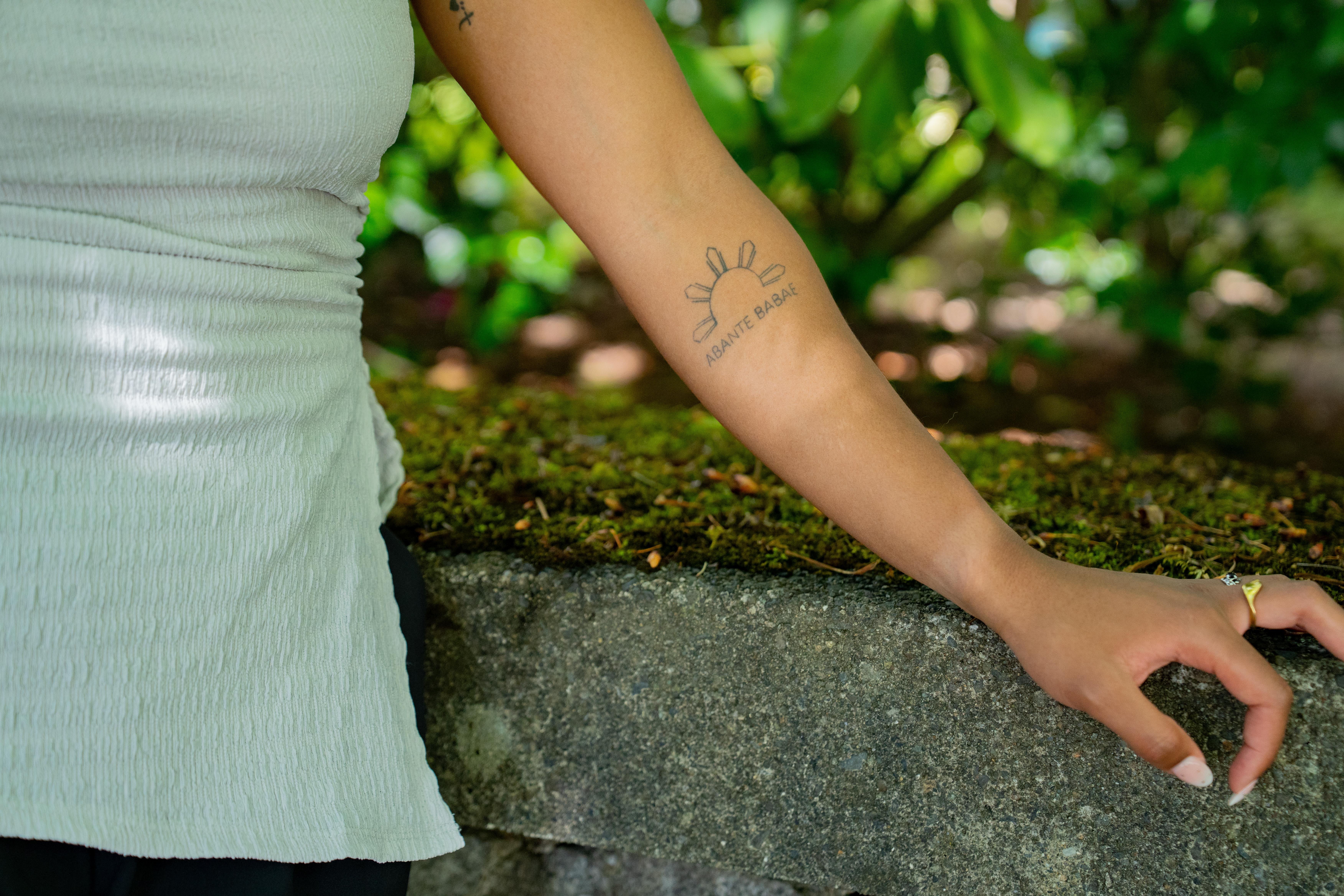
A: It’s awesome. To be fair, I grew up in the Bay Area in California, and there is a massive Filipino community there. Most of my mom’s immediate family lives in California, and so I grew up around them, so I was always brought up with Filipino culture, even though I grew up in California. So I grew up knowing that I could represent the Philippines and it’s something I identify heavily with ever since I was born.
Q: What does it mean to you to be able to represent the Philippines at the upcoming World Cup?
A: It’s just been the biggest honour to be able to represent the country on that type of stage. Not only once, but to go back and do it again, it’s massive. It also shows the support that the country has given our team. I think for little girls in the Philippines to have the team that we have to look up to and be on that stage, I think all of us on the team are great representations that no matter where you come from, if you’re Filipino, you can represent the Philippines and make the country proud.
Q: What parts of being Filipino have helped you succeed in your career?
A: Well, Filipinos are super hardworking and, you know, boots on the ground. Something that I’ll always say is that we always pick ourselves up and go for the next thing. But I would say, the stubbornness of the Filipino, to always want to keep going, is something that I feel has resonated with my career. I’m always like ‘when one door closes, try and beat it down’.
That was just how I was raised, and I feel like it’s such a big part of Filipino culture. To just keep going at it and working super hard. And so that hard-headed stubbornness is something that I definitely inherited and that I think, if you ask some of my teammates, they would for sure agree with that, but all with love! [laughs].
Q: Who has been a mentor figure for you both in your professional career and in your cultural identity?
A: Obviously, my mom and my grandma taught me a lot about being Filipino, like what it means, what the traditions are and then melding both the culture and the soccer side. Also, our national team captain, Hali Long, has really been a pioneer for Filipinos. She’s half-Filipino like me, but she’s lived in the Philippines for ages and immersed herself in the culture and really helped a lot of us understand how much it means to the country that you are representing.