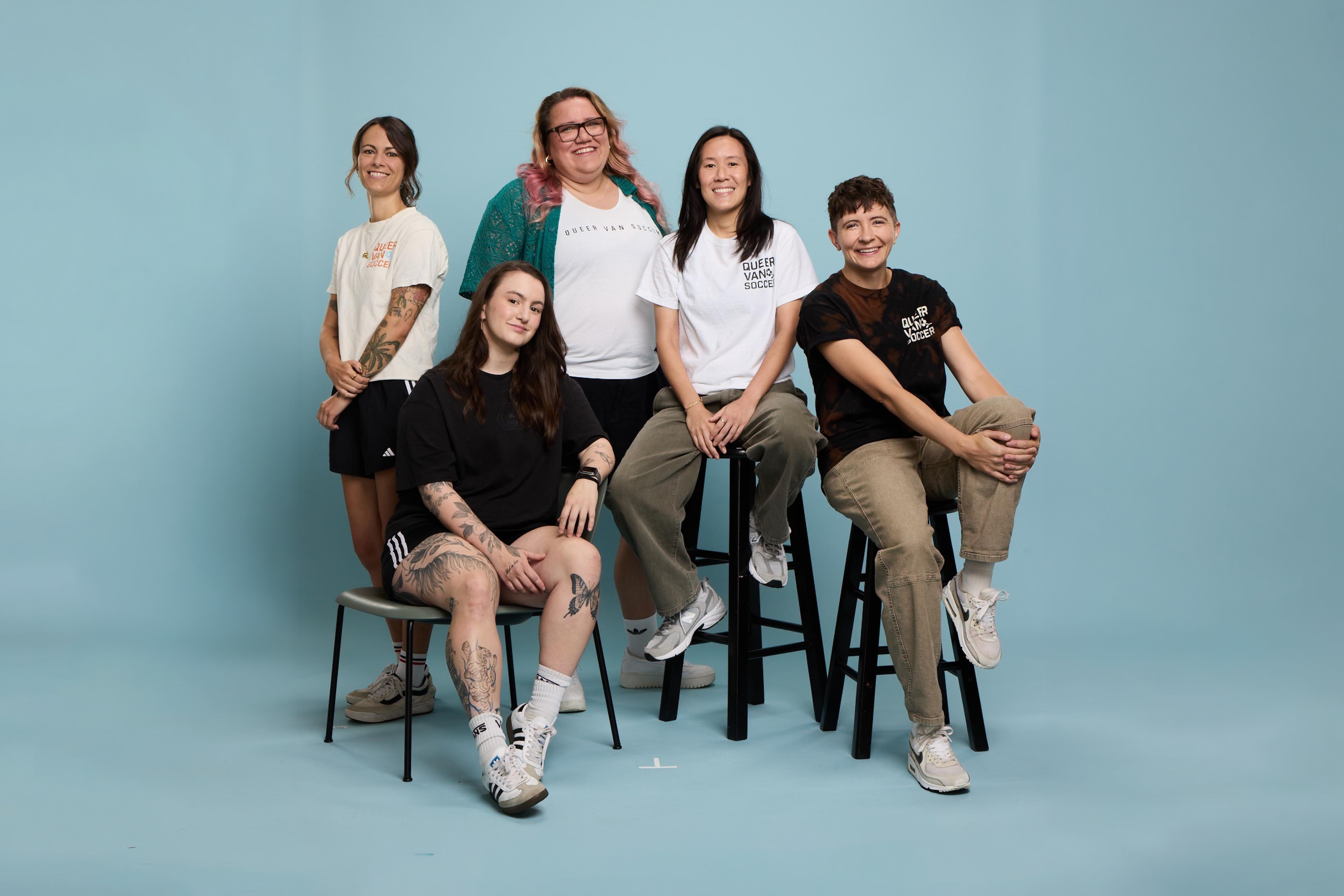
Local queer recreational league, Queer Van Soccer, sat down with Rise FC to discuss the importance of giving queer people a safe and inclusive environment in sport and what can be done to grow the game for everyone.
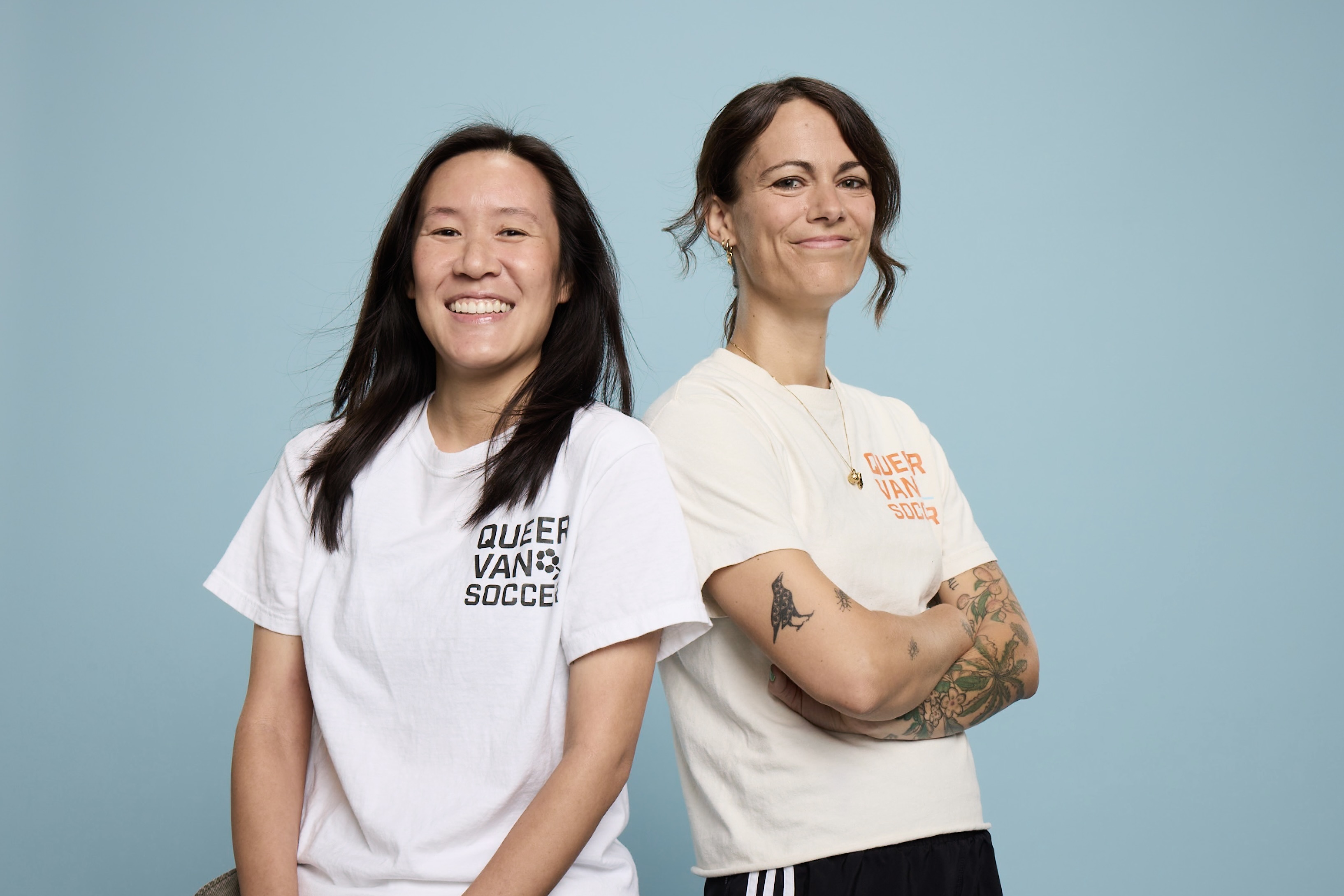
Q1: What is the story behind starting a queer-focused soccer league?
Amy Sheir (Captain & Player): We know that sometimes traditional sports leagues don't always tend to feel welcoming to a lot of queer people or gender non-conforming people, so we really try and be dedicated to maintaining and fostering a space that is not only safe and inclusive for queer, trans and non-binary players, but we take steps to intentionally prioritize access to those players, as well as BIPOC players, by reserving certain percentages of spaces for people who self-identify in those marginalized communities.
Emily Edwards (Organizer, Player & Captain): The league also functions as social facilitation, giving a space where queer people come to meet and, through organized sport, work together and work towards a shared goal. It's also a league that's open to any skill level, so it's very beginner friendly. So even if people don't have experience with soccer specifically, they can still join, can still be a part of it and learn something new.
Q2: What are some of the biggest obstacles you've had to face, and how have you been able to overcome them?
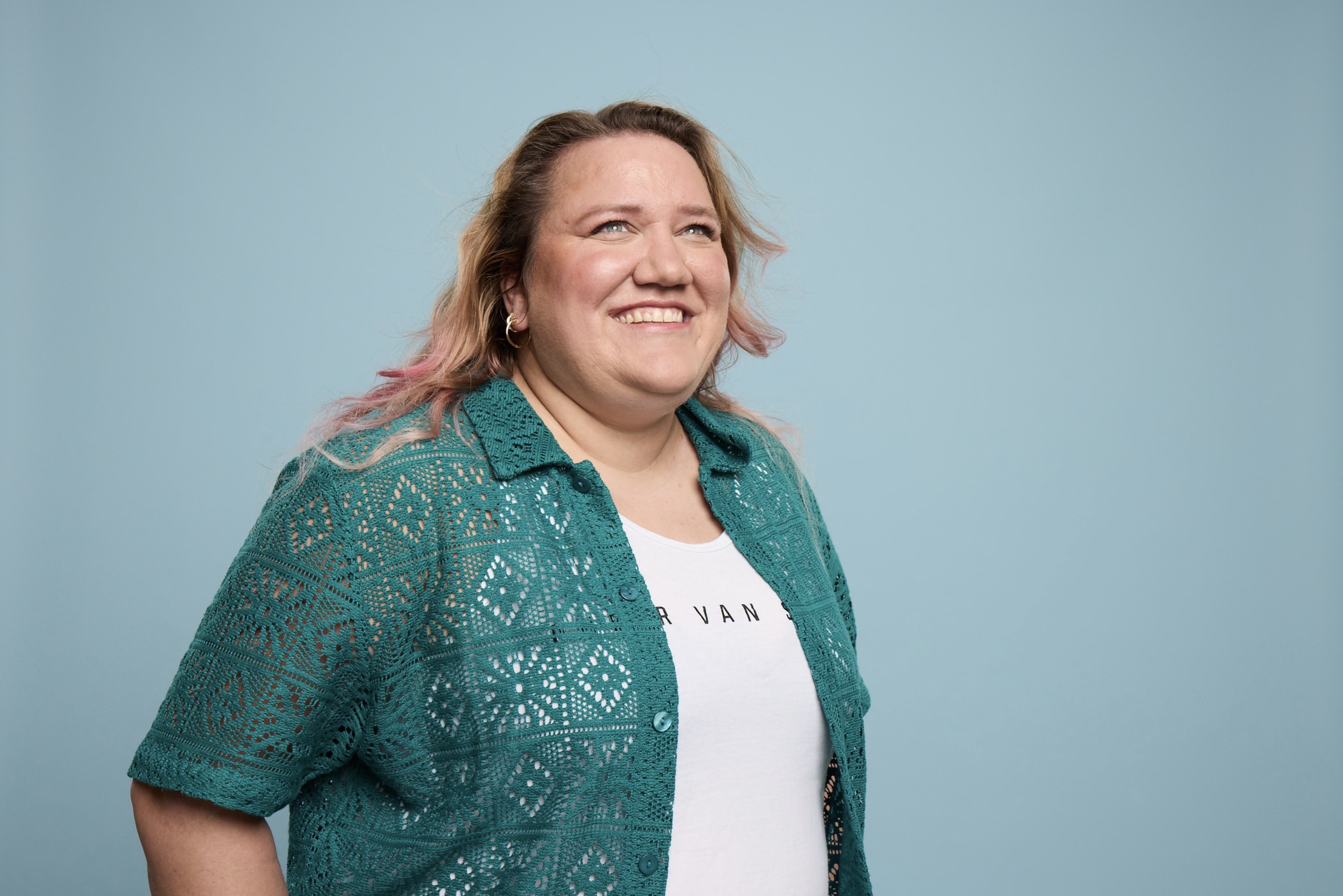
Arden Tempest (Captain & Player): Accessibility, I think, is the biggest obstacle, in terms of ensuring that folks actually have access to that space. There is only so much field availability, and there's only so many organizers. That makes it hard in terms of even just cost effectiveness [and] inclusivity, where people have opportunities where it’s not just the same as other leagues.
Emily: We have 185 player spots in the league, but we currently have 400 people either in the league, on the waitlist or who just play more casually. This shows that there is a big need for this [kind of league], and it would be great if we didn’t have to be so limiting in the number of players we could accept. So I think it points to the fact that we just need more spaces like this. We need more sports leagues where everyone feels included and welcome and safe, because there's a ton of interest, and we just can't accommodate everyone with the amount of field time that we have right now.
Q3: What does it mean to queer players in your league to be able to see professional players who are queer, competing in a team and league that accepts and celebrates them?
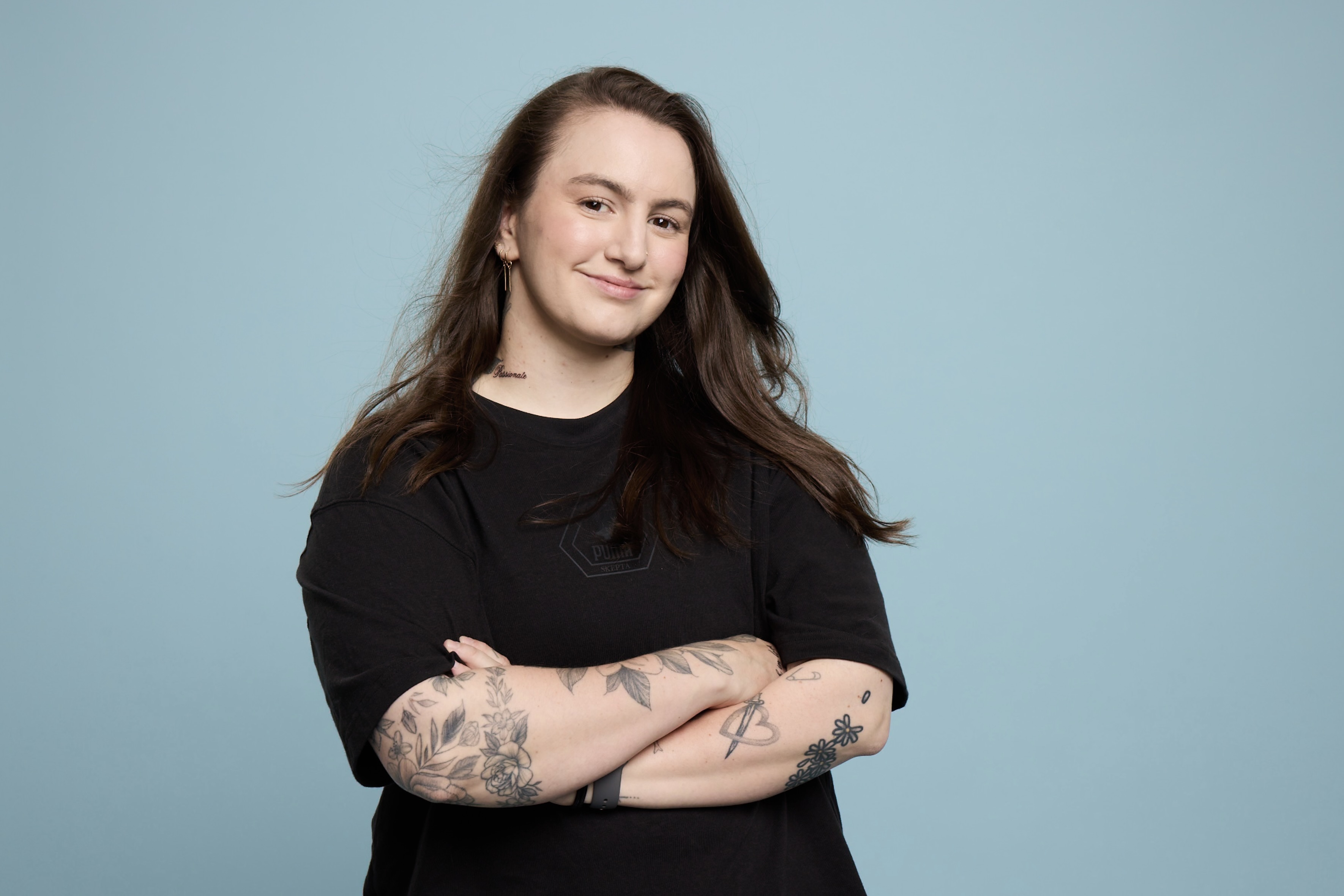
Amy: It's awesome. I played sports in high school, and then I stopped playing after high school. I didn't really get back into it until I started playing on queer teams, because even playing with a traditional women's team, there is just no draw, necessarily. And this sport is about building community, and we have a great one [at QVS], and it's a huge part of it.
Being able to see that kind of representation on CANXNT (Canadian women’s national team) and on Vancouver Rise FC is awesome because a lot of us play on different teams in other women’s leagues, also and we have teams that we play on in those leagues that now have trans and non-binary players on them. And it's great to be able to have examples of these teams like the national team and Vancouver Rise FC to say, ‘other teams are doing this’. It's not just us who are making spaces for these players. Sports are for everyone, and all athletes deserve a safe place to play.
Q4: What do you think the sport can do to be more inclusive and accepting, from grassroots to the very highest level?
Amy: It's about prioritizing creating spaces and intentionally holding those spaces for women, trans, and non-binary people. And that's not just at a player level, but that is at a coaching level, at the level of referees, at people involved in the leadership of organizations and on the board.
For example, you still see women’s leagues where the director of the board is a man. Now, I appreciate that there's people that are willing to do this work, but why are we not having women in charge in these spaces that we're operating?
When you get that diversity, you start to see subtle changes that can happen without you even knowing it. It has the chance to have a ripple effect, and then other people notice too.